
The Birth of Spoken Stories - From Survival to Folklore
The First Words, the First Stories
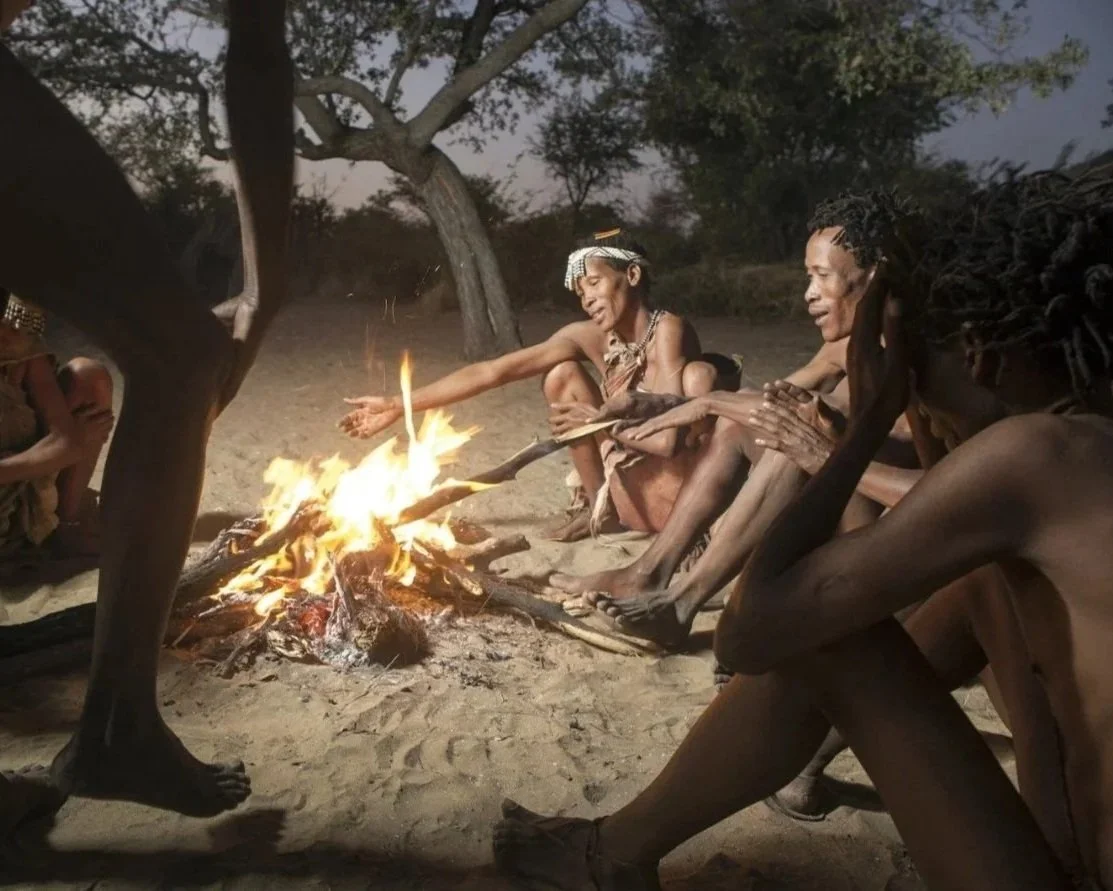
Before stories were written down, they were spoken - shared out loud, shaped by breath, memory, and performance. Imagine an early human standing before their community, retelling a dangerous hunt or explaining the mystery of the stars overhead.
When words entered the picture, storytelling changed forever. Gestures gave us the foundation, but spoken language added detail, emotion and imagination. Stories could now stretch beyond the immediate moment, becoming myths, legends and shared histories that shaped identity and culture.
This chapter explores how oral storytelling evolved from basic survival communication into folklore, epic tales and cultural memory.
When Language Changed Everything
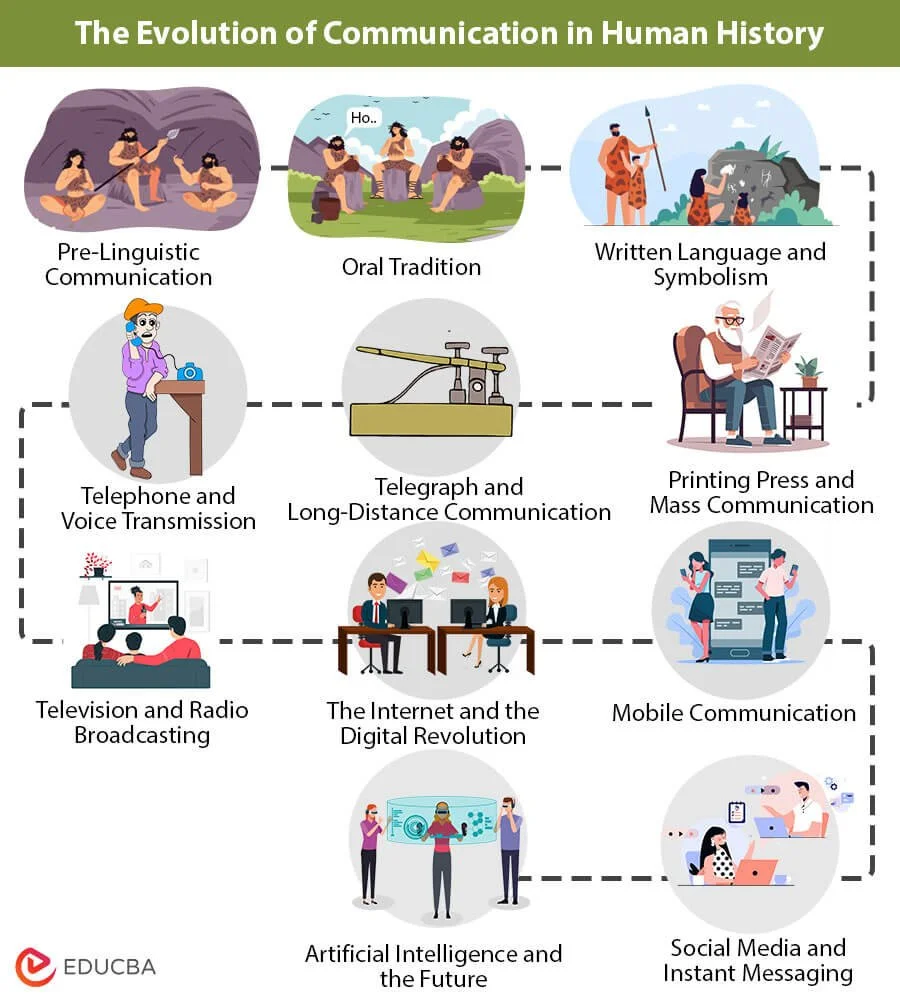
The development of spoken language - believed to have emerged over 50,000 years ago - marked a major turning point for humanity. With words, stories could grow richer, deeper and more immersive.
Why spoken language transformed storytelling:
Detail and emotion: Words allowed storytellers to describe characters, settings and feelings with precision.
Memory and continuity: Oral traditions helped preserve cultural knowledge across generations.
Shared imagination: Listeners could visualise stories together, creating collective meaning.
Anthropologist Robin Dunbar’s Social Brain Hypothesis suggests that storytelling played a key role in social bonding. Sharing stories strengthened group cohesion and cooperation in increasingly complex societies (Dunbar, 1996).
Oral Storytelling Around the World
As language spread, so did stories - and every culture shaped them differently.
Epic Tales
Some of the world’s most famous stories began as spoken word:
The Iliad and The Odyssey were performed aloud by Greek bards long before they were written down.
India’s Mahabharata and Ramayana started as oral epics, carrying moral, spiritual and philosophical lessons.
Folklore and Myths
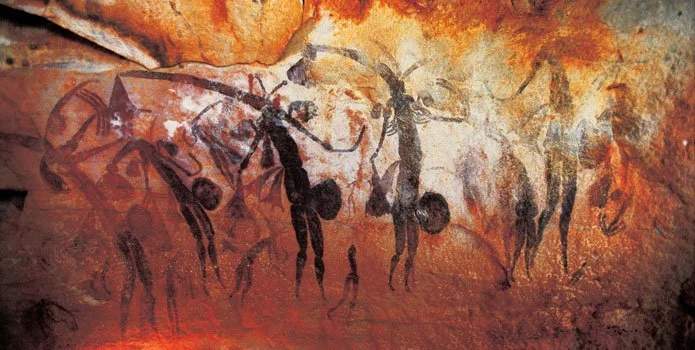
Aboriginal Dreamtime stories connect people to land, ancestry and spirituality, explaining both creation and moral order.
African folktales - especially those featuring Anansi the Spider - use humour and cleverness to teach resilience and wisdom.
Sacred Stories
The Vedas and the Torah were preserved orally for generations before being written.
First Nations stories in North America blend creation myths with teachings about balance, survival, and respect for nature.
Institutions like the National Museum of Australia continue to preserve and celebrate Aboriginal oral traditions, recognising storytelling as living knowledge rather than history frozen in time.

The Power of the Storyteller
In societies without writing, storytellers weren’t just entertainers - they were essential.
Historians: They memorised genealogies, events, and traditions.
Educators: Through fables and parables, they passed on morals and survival knowledge.
Performers: Rhythm, repetition, music, and voice kept audiences engaged and stories alive.
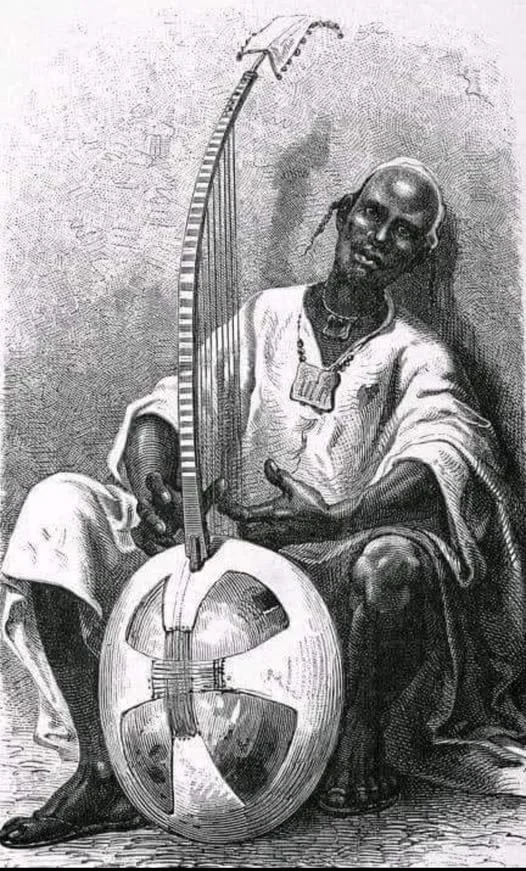
A powerful example is the griot tradition of West Africa. Griots are oral historians, musicians, and cultural custodians whose role is recognised by UNESCO as part of humanity’s intangible cultural heritage.
Why Oral Storytelling Still Matters
Even in a hyper-digital world, oral storytelling hasn’t gone anywhere, it’s just evolved.
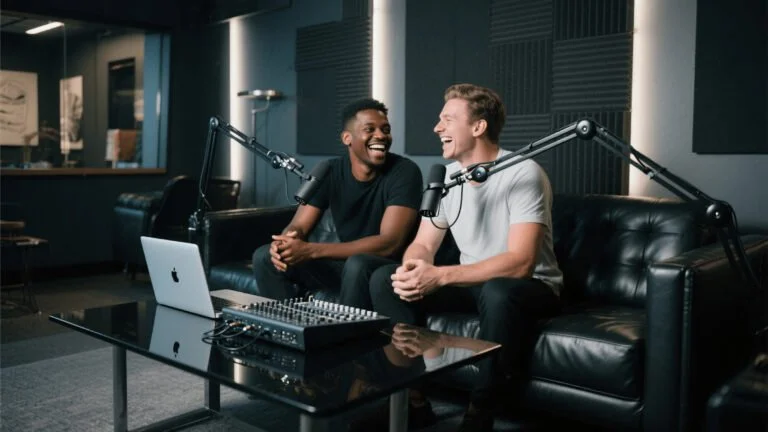
Podcasts act as modern campfires, sharing personal and historical narratives globally.
Spoken word poetry taps into the emotional immediacy of oral tradition.
Cultural revivals see Indigenous communities reclaiming storytelling to preserve identity.
Platforms like The Moth prove that people still crave stories told by voice alone - raw, human, and unfiltered.
Try It Yourself: Bring Stories Back to Voice
Want to reconnect with oral storytelling? Try this:
Story circles: Gather people and share personal stories. Focus on tone, pacing, and connection.
Perform a myth: Choose a story from your culture (or another) and retell it aloud.
Record your voice: Capture family stories or personal memories - for sharing or safekeeping.
What Comes Next: From Voice to Symbols
Oral storytelling gave humans a powerful way to share meaning, but memory has limits. To preserve stories permanently, humans turned to symbols and writing.
In the next chapter, we’ll explore how early writing systems transformed storytelling forever - from spoken word to written legacy.
References
Dunbar, R. (1996). Gossip, Grooming, and the Evolution of Language. Journal of Economic Behavior & Organization. https://doi.org/10.1016/0167-2681(95)00042-9
UNESCO. Intangible Cultural Heritage: Oral Traditions and Expressions. UNESCO.
National Museum of Australia. Dreamtime Stories and Indigenous Knowledge. NMA.
The Moth. Personal Stories Told Live. The Moth.
