
The First Storytellers Didn’t Speak - They Moved
The First Silent Stories
Picture this: a world without words. No chatter, no scripts, no neatly typed texts. Early humans didn’t have the luxury of language, so they leaned on what they did have - their bodies. A raised hand to warn. A pointed finger to guide. A sweeping gesture to celebrate a win.
These weren’t just random movements. They were stories in motion. Our ancestors used their bodies to share emotions, pass on lessons and connect with each other. In a way, gestures were humanity’s first narrative medium - the foundation for everything from oral traditions to TikTok dances.
Why Gestures Mattered
Long before grammar and syntax, gestures were survival tools and community glue. Over time, they became the building blocks of culture.
Survival First: Mimicking a predator’s movement or pointing towards water could save lives.
Universal Language: While spoken words differ, a shrug, smile or outstretched arm cuts across cultures.
The First Stories: Reenacting a hunt or escape wasn’t just fun, it created shared memory, passed down vital skills and entertained the group.
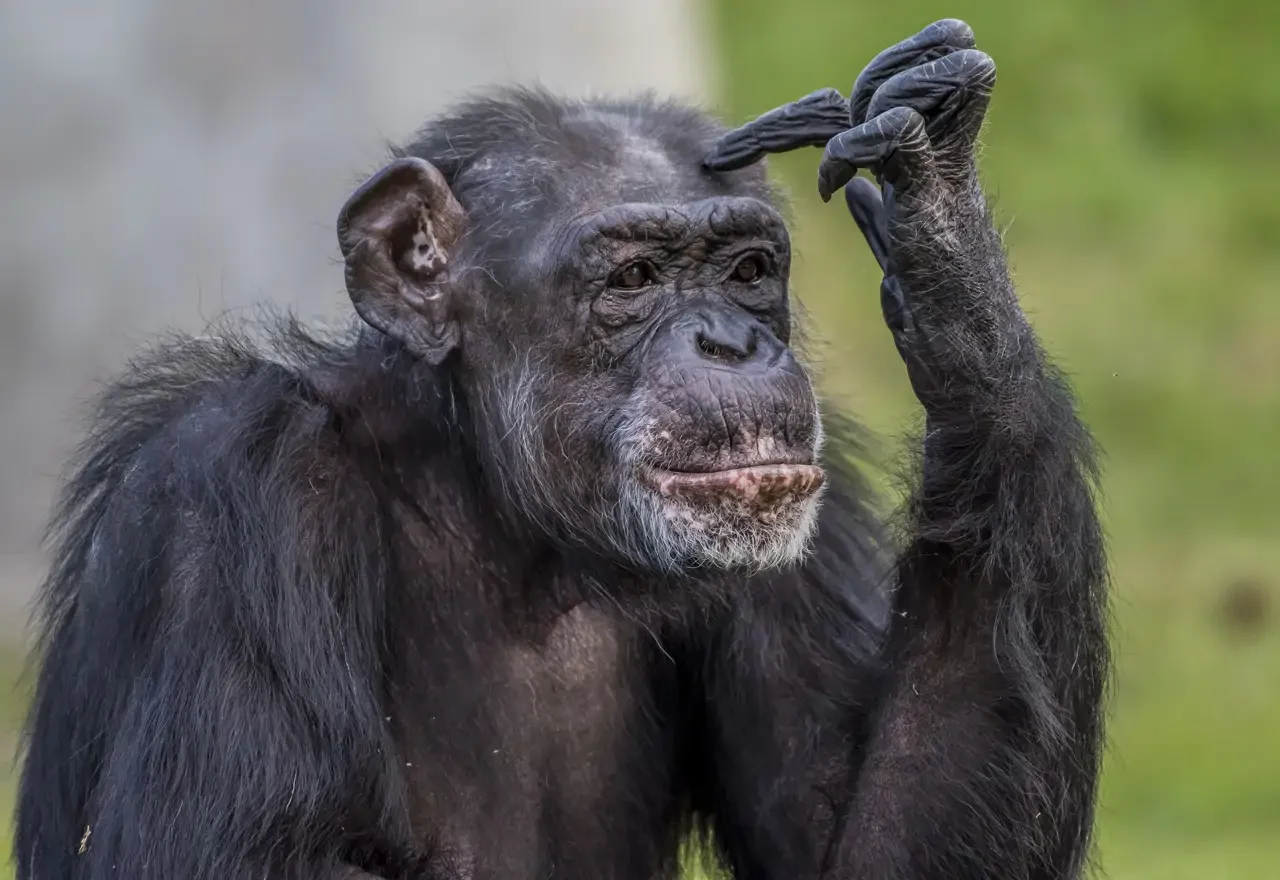
Research backs this up. Findings from the University of Witwatersrand show symbolic carvings and tools from 70,000 years ago that hint at early humans using gestures alongside survival strategies (Henshilwood et al., 2002). Even our primate cousins gesture to communicate, a reminder of just how deeply movement is wired into us (Pollick & de Waal, 2007).
From Movements to Meaning
As communities grew, gestures weren’t just about warnings and directions - they became performances. Around fires, early humans acted out hunts, retold victories and embedded rituals into movement.
How gestures shaped the future of storytelling:
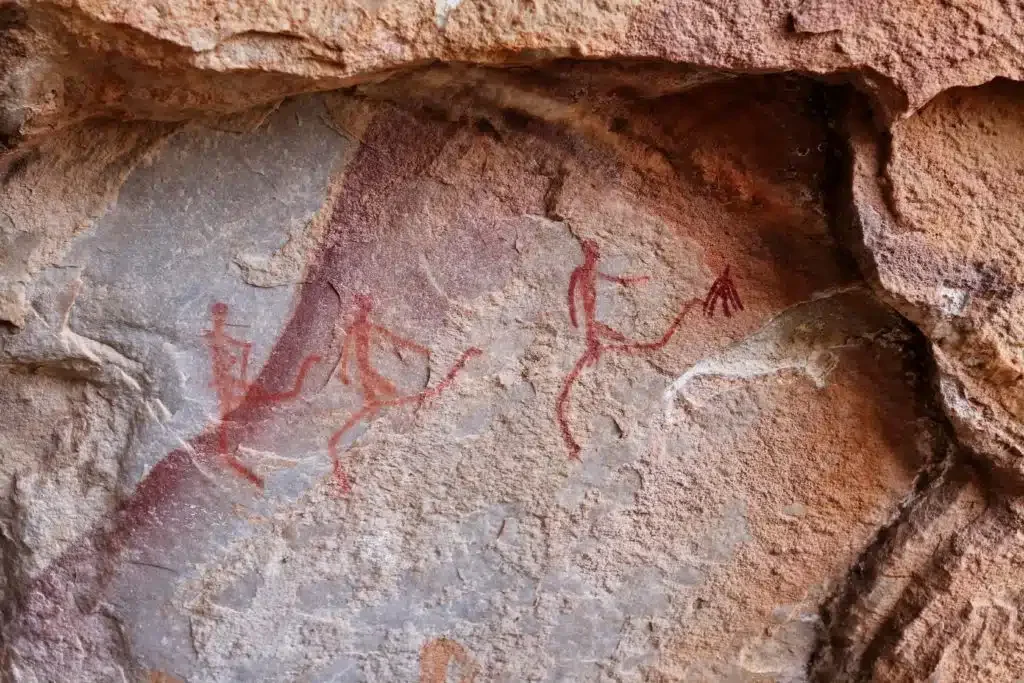
From gestures to cave art: Acting out a hunt likely inspired the first painted hunts on cave walls.
From gestures to speech: Movements paired with sounds eventually bloomed into spoken language.
Cultural echoes: The San people of southern Africa still weave dance and movement into storytelling, carrying the tradition forward.
Linguist David McNeill also shows how gestures remain central to communication today, not just as add-ons, but as part of how we think and express ideas (McNeill, 1992).
The Legacy We Still Carry
Fast forward to now, and gestures are everywhere - from global traditions to the way we wave, shrug or side-eye.
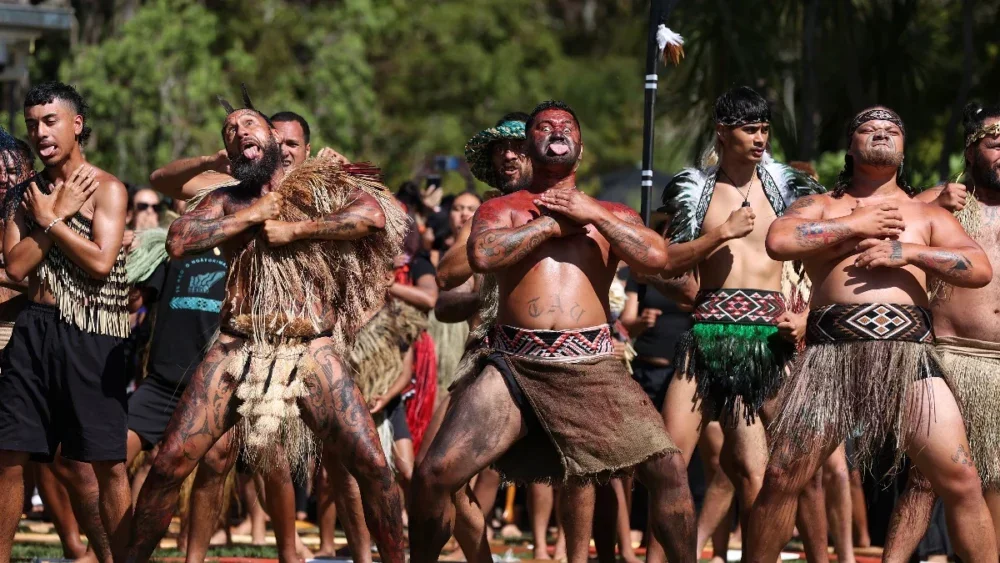
In dance: The Māori Haka or Bharatanatyam tell full stories without a single word.
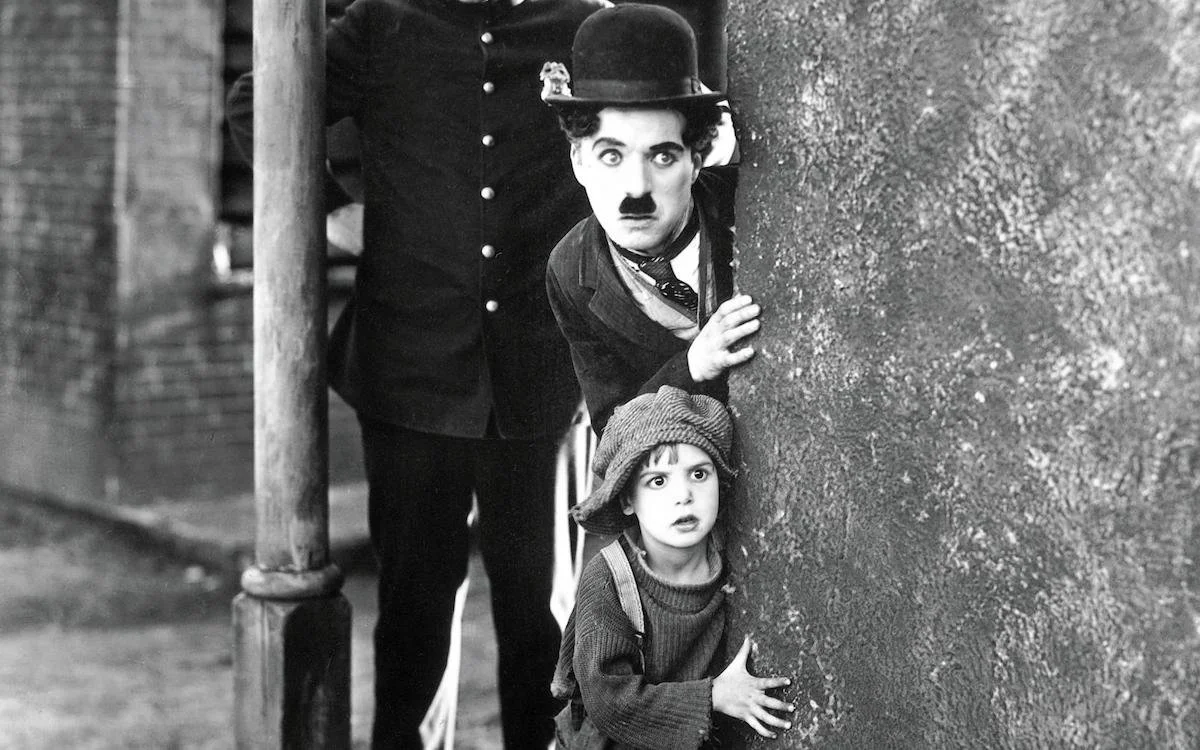
In entertainment: Silent films, mime, even games like charades thrive on gestures.
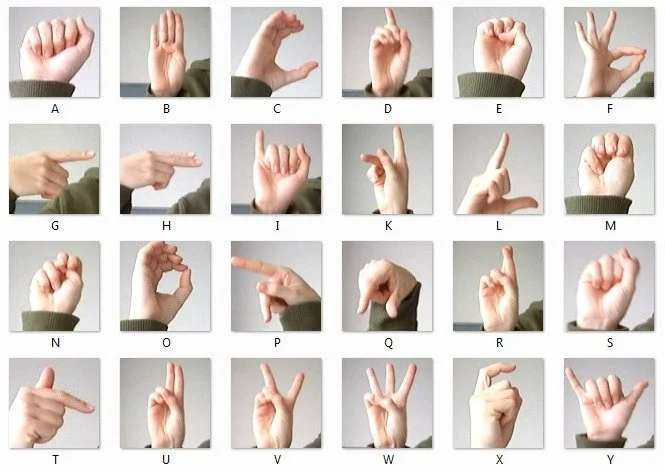
In accessibility: Sign languages show how movements can form complete, nuanced languages.
The Smithsonian Institution highlights how African storytelling blends rhythm, emotion and gesture to this day, proof that the old ways are still alive and powerful.
Try It Yourself: Reenact the First Stories
Want to tap into your storytelling roots? Try these:
Silent Survival Story: Act out finding food or escaping danger. Let friends guess your tale.
Gesture Chain: In a group, add one gesture at a time to build an epic, wordless story.
Dance a Tale: Explore a cultural dance (like Native American hoop dancing or West African drumming and movement) that uses body language to tell stories.
What’s Next? From Gestures to Words
Gestures gave us the first stories, but they had limits. As humans wanted to express more - ideas, emotions, nuance - words stepped in. In the next chapter, we’ll explore how oral traditions transformed storytelling from movement to language.
References
Henshilwood, C. S., et al. (2002). Emergence of Symbolic Behavior. Science. DOI: 10.1126/science.1067575
Smithsonian Institution. Movement and Storytelling in African Traditions. Smithsonian Institution.
Pollick, A. S., & de Waal, F. B. M. (2007). Ape Gestures and Language Evolution. Journal of Human Evolution. DOI: 10.1016/j.jhevol.2006.10.002
McNeill, D. (1992). Hand and Mind: What Gestures Reveal About Thought. Cambridge University Press. DOI: 10.1017/CBO9780511620850
